What is a Water Level Management Board?
Water Level Management Boards (WLMBs), also known as Internal Drainage Boards (IDBs), have evolved to take on a broader role that goes beyond traditional land drainage.

This shift reflects their expanded approach, and includes flood prevention, environmental protection, support for agriculture and consideration of water resource. The name change better represents their comprehensive approach to managing water levels, a critical task as climate change leads to more frequent and severe weather events.
WLMBs are small local authorities responsible for maintaining and regulating water levels in areas prone to flooding or with special drainage needs. They manage key drainage systems, such as rivers, ditches, and culverts, to prevent flooding and ensure effective land drainage. These boards also work closely with other agencies, like the Environment Agency, to coordinate water management efforts across regions. While WLMBs have the authority to manage specific watercourses, the primary responsibility for water management still lies with individual landowners.
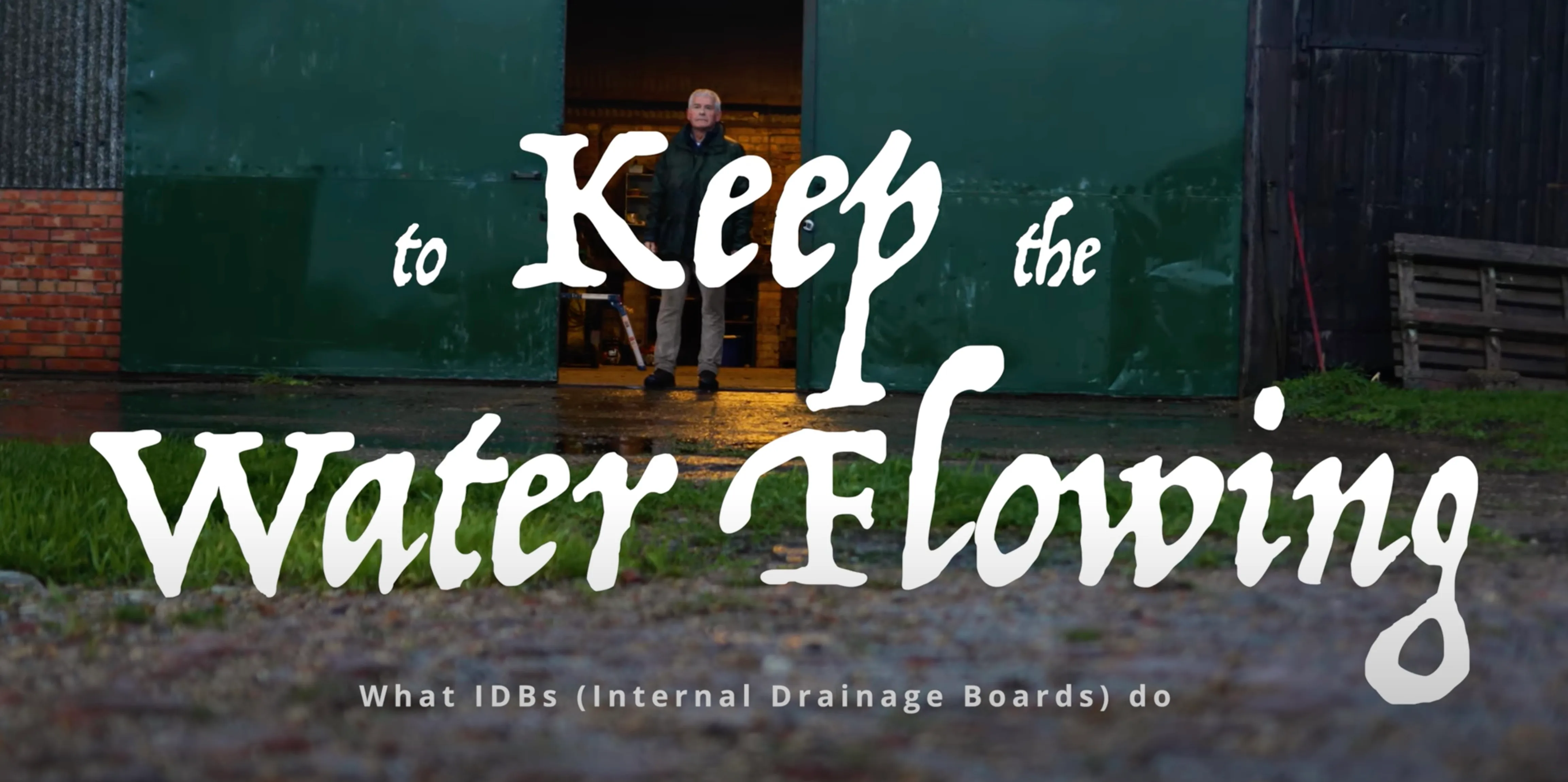
Organisation chart
Other local IDBs
The North Kent Marshes WLMB oversees the marshland areas from Gravesend to Seasalter and is one of four boards operating within Kent, playing a vital role in protecting both the environment and the local communities.
Our history
.webp)
The origins of today’s Water Level Management Boards (WLMBs) and Internal Drainage Boards (IDBs) trace back to 1252, when Henry III established a commission for draining Romney Marsh in Kent. Most modern IDBs were formed after the Land Drainage Act of 1930. The Lower Medway IDB was established in 1934, following a public inquiry that led to the “Medway Letter,” setting principles for defining drainage districts based on flood levels.
The North Kent Marshes IDB, created in 2016, evolved from the East of Gravesend IDB, which dates back to the 17th century.
The Lower Medway IDB and the North Kent Marshes IDB have now combined to form the North Kent Marshes WLMB. This unified board continues to manage and maintain water levels across the region, ensuring effective flood protection and land drainage. By joining forces, the Board streamlines operations and enhances its ability to protect both agricultural land and communities from flooding, while continuing to fund its activities through drainage rates and Special Levy payments from local landowners, businesses, and domestic properties.