Supporting Seagrass Restoration at Egypt Bay
Seagrass meadows are among the UK's most valuable coastal habitats, providing shelter and feeding grounds for a wide range of marine wildlife, improving water quality, storing carbon, and helping to stabilise coastal sediments. However, these important habitats have declined significantly over the last century, making restoration projects increasingly important.
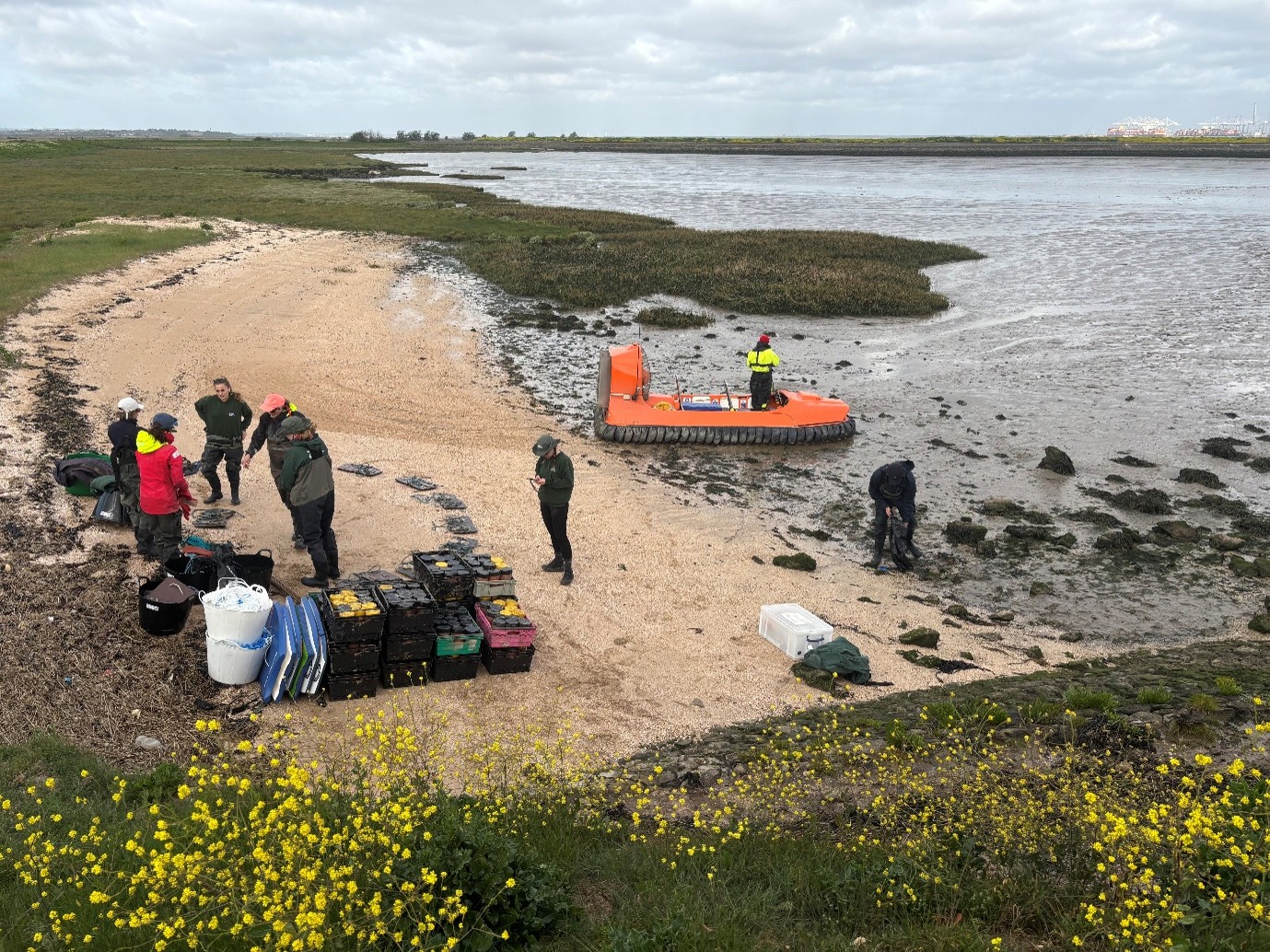
On the 20th of May 2026,the North Kent Marshes Water Level Management Board (NKMWLMB) joined the Zoological Society of London (ZSL) and other organisations across the Thames Estuary to support a seagrass restoration project at Egypt Bay on the Hoo Peninsula. As part of the wider Transforming the Thames programme, the project aims to establish a new seagrass meadow and contribute to the long-term recovery of this important coastal habitat.
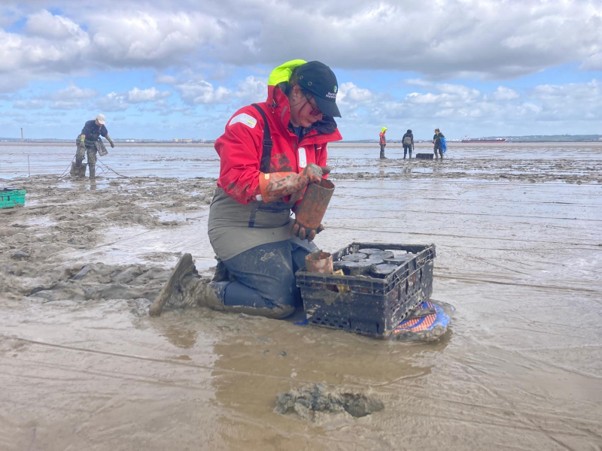
The restoration method involved transplanting sediment cores containing whole seagrass plants, their root systems, and surrounding sediment. These cores were collected from an existing seagrass meadow at Two Tree Island in Essex, a healthy and resilient donor site capable of supporting the removal of a small number of plants for restoration purposes.
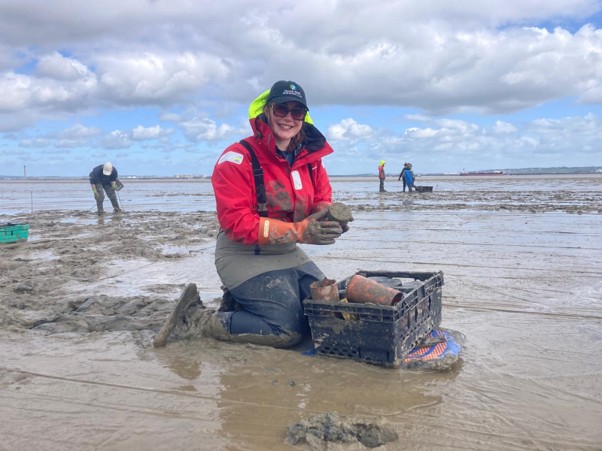
Working to a carefully planned timetable dictated by the tides, volunteers and staff began the day at 7ambefore heading out onto the inter tidal mudflats. Conditions were extremely muddy and physically demanding, but despite the challenging terrain, the team successfully planted 294 seagrass cores across three rows of the restoration trial.
The newly planted seagrass will now be monitored to assess establishment and survival. If successful, the project will help inform future restoration efforts and contribute to the long-term recovery of this important coastal habitat, demonstrating the value of partnership working in delivering practical, nature-based solutions.